Olive Variety and Ripeness: How Paste Behavior Changes in the Mill
A practical guide for olive oil mills on how variety and ripeness affect paste texture, malaxation behavior, separation clarity, and enzyme strategy during harvest.
Request pricing A practical guide for olive oil mills on how variety and ripeness affect paste texture, malaxation behavior, separation clarity, and enzyme strategy during harvest.
Request pricingNo two olive deliveries behave the same once they hit the crusher. Variety, ripeness, field temperature, fruit health, and holding time all shape what the mill sees: paste firmness, water release, emulsion tendency, malaxer load, decanter stability, and final oil clarity.
For mill managers, the practical question is simple: how do we keep extraction consistent when the fruit changes every day?
Olivanta supports olive oil mills with enzyme solutions designed for harvest-season realities: variable paste behavior, narrow processing windows, and the need for cleaner separation without slowing the line. As an enzyme supplier for olive oil extraction, our focus is not theory. It is mill-floor control.
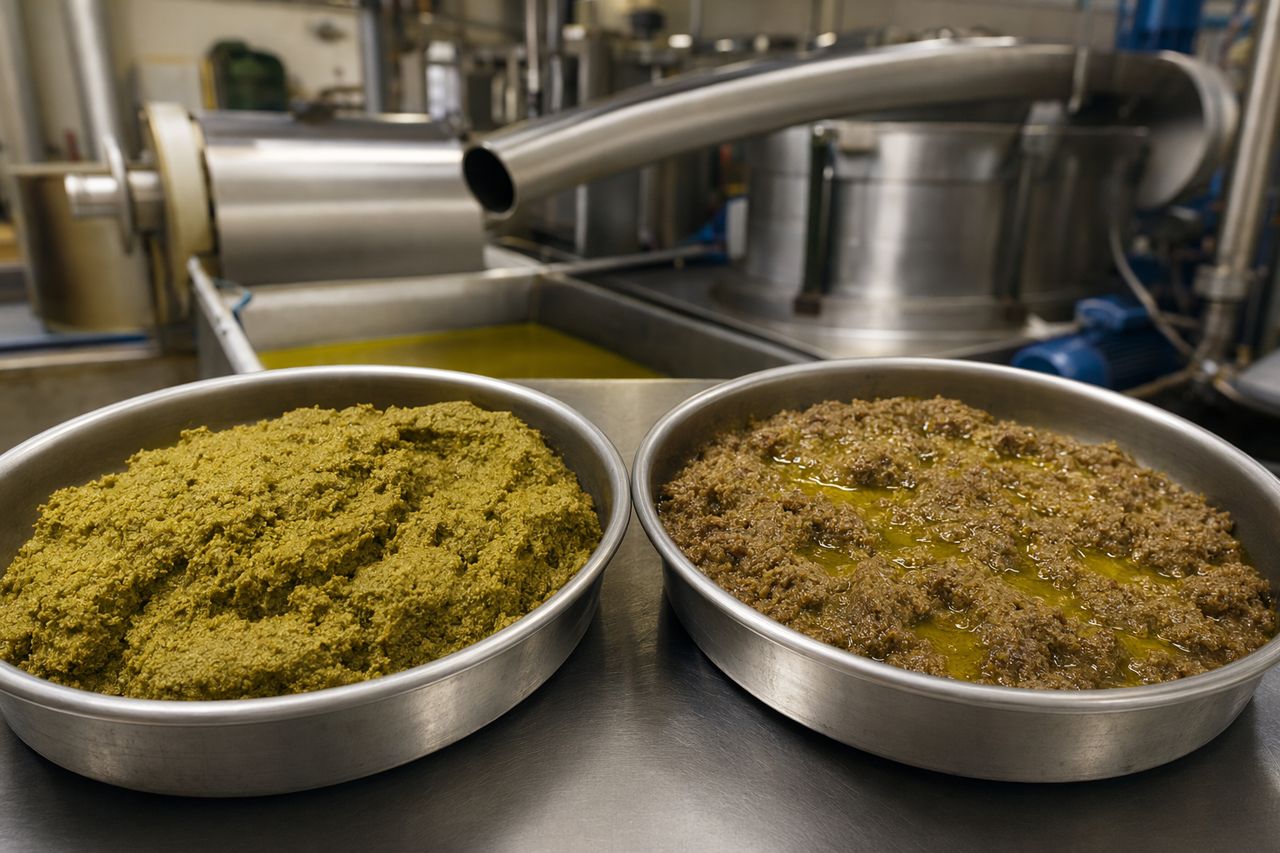
Olive variety sets the baseline for paste behavior. Some cultivars produce paste that opens quickly and releases oil readily. Others form dense, elastic, or water-retentive paste that resists separation even when fruit quality is strong.
A mill running Arbequina, Koroneiki, Picual, Frantoio, Leccino, or mixed local cultivars will not see identical paste behavior. The enzyme approach should match the fruit profile, not force one fixed setting across the whole harvest.
Ripeness does not just influence oil quality and aroma. It changes the physical behavior of the paste.
Early fruit often brings firm flesh, tougher cell structures, higher resistance in the crusher, and paste that can feel tight in the malaxer. Oil is present, but not always easy to release.
Operational signs may include:
In these conditions, the right enzyme support can help open the paste structure and improve oil release while preserving a controlled process window.
Mid-season fruit is often the easiest to manage, but not always. Weather, irrigation, and variety can still produce paste that is either too watery, too elastic, or too prone to emulsification.
Operational signs may include:
This is where enzyme strategy is often about consistency: holding performance across mixed lots, daily fruit variation, and long production shifts.
Late fruit can become softer and easier to break down, but overripeness, frost damage, or poor storage can create a different set of problems.
Operational signs may include:
In late-season conditions, enzyme selection should be controlled and practical. The goal is not to overwork the paste. It is to support release and separation without adding instability.
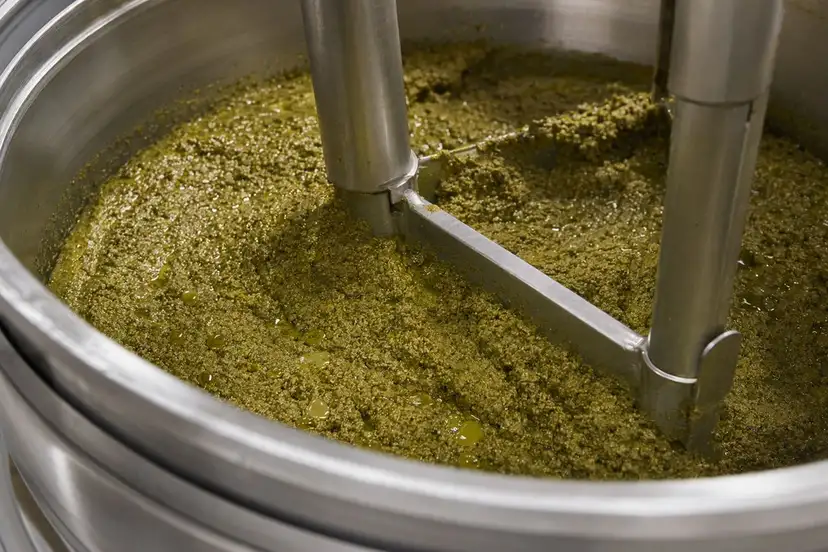
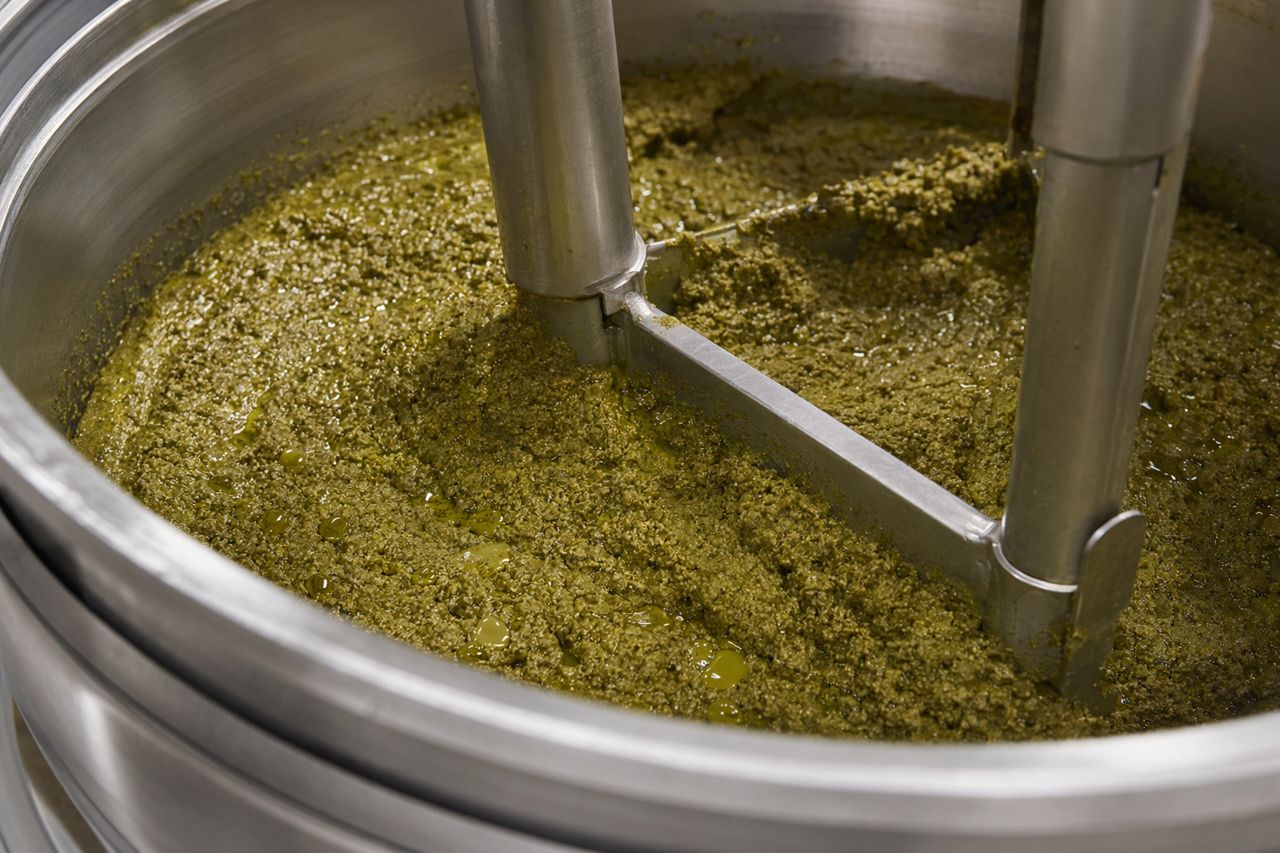
The malaxer tells you a lot before the decanter does. Paste behavior during mixing can reveal whether the fruit is releasing oil efficiently or holding it back inside a tight matrix.
These observations matter because enzyme value is visible in process behavior: paste opening, oil coalescence, smoother transfer, and cleaner downstream separation.
Olive paste is a structured biological material. Oil droplets are trapped inside cells and held within networks of pectin, hemicellulose, cellulose, proteins, and water. Mechanical crushing starts the release. Malaxation continues it. Enzymes can support the process by helping loosen selected structural components that limit oil movement.
For mills, the practical benefits can include:
The best enzyme program is not a generic additive decision. It should be matched to fruit condition, target oil style, equipment configuration, and mill capacity.
A practical enzyme strategy starts with the fruit you are actually running, not the fruit you expected to receive.
Focus on improving paste opening and oil release while maintaining product quality targets. Early fruit may need a more active process-support strategy because its cell structure is harder to break.
Focus on consistency. Mixed lots can shift paste behavior within the same shift, especially when small growers deliver different cultivars and ripeness levels together.
Focus on separation control. The key is to support oil release without creating a paste that overwhelms the decanter with unstable water and fine solids.
Focus on disciplined control. The enzyme choice and process settings should avoid excessive breakdown while helping recover oil efficiently from fruit that may be variable in condition.
Enzymes are not a substitute for good milling practice. They work best when the process is already managed with discipline.
Key variables include:
When these variables are controlled, enzymes can become a precise operational lever rather than a last-minute fix.
Use this checklist when fruit behavior changes during harvest:
Olivanta supplies enzyme solutions for olive oil mills that need reliable performance during compressed harvest windows. We work with teams facing real processing pressure: changing varieties, uneven ripeness, difficult paste, throughput targets, and separation challenges.
Our approach is built around operational fit:
The result is a practical enzyme recommendation aligned with how your mill actually runs.
If your mill is managing difficult paste, mixed varieties, or inconsistent separation, Olivanta can help specify an enzyme solution for your process.
Request a quote through the on-site contact form and include your olive varieties, harvest timing, equipment setup, and the main processing challenge you want to solve.
Tell us your application and volume — we reply with pricing and lead time.