Paste Moisture & Temperature Yield Checklist | Olivanta
A practical olive mill checklist for managing paste moisture, temperature discipline, enzyme use, separation clarity, and harvest-season yield consistency.
Request pricing A practical olive mill checklist for managing paste moisture, temperature discipline, enzyme use, separation clarity, and harvest-season yield consistency.
Request pricingOlive oil extraction is not decided by one setting. It is decided by how the paste behaves from crusher to malaxer to decanter. Moisture, temperature, paste structure, and separation response all move together.
For mill managers, the goal is simple: keep the paste workable, keep the process stable, and recover more clean oil without slowing the line. That is where an enzyme supplier for olive oil extraction should bring practical value, not lab language.
Olivanta enzyme solutions are built for mill-floor decisions: variable fruit, tight harvest windows, fast throughput, and the need for clear separation under pressure.
Before changing malaxing time, temperature, or enzyme dose strategy, look at the incoming olives.
Check for:
A steady mill does not treat every lot the same. It builds a repeatable operating window for each fruit condition.
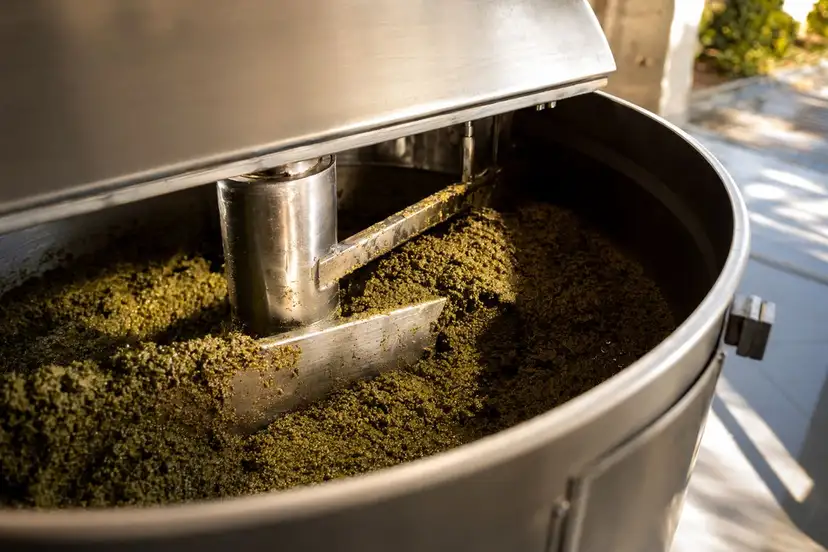
Paste moisture is one of the fastest ways to lose control of extraction. Too dry, and oil remains trapped in the paste. Too wet, and the decanter may struggle with emulsion, cloudy oil, or unstable separation.
On the floor, look for:
Enzyme support can help loosen cell wall structure and improve oil release from difficult paste. The benefit is not only yield. It is a more predictable paste response when fruit moisture shifts during the day.
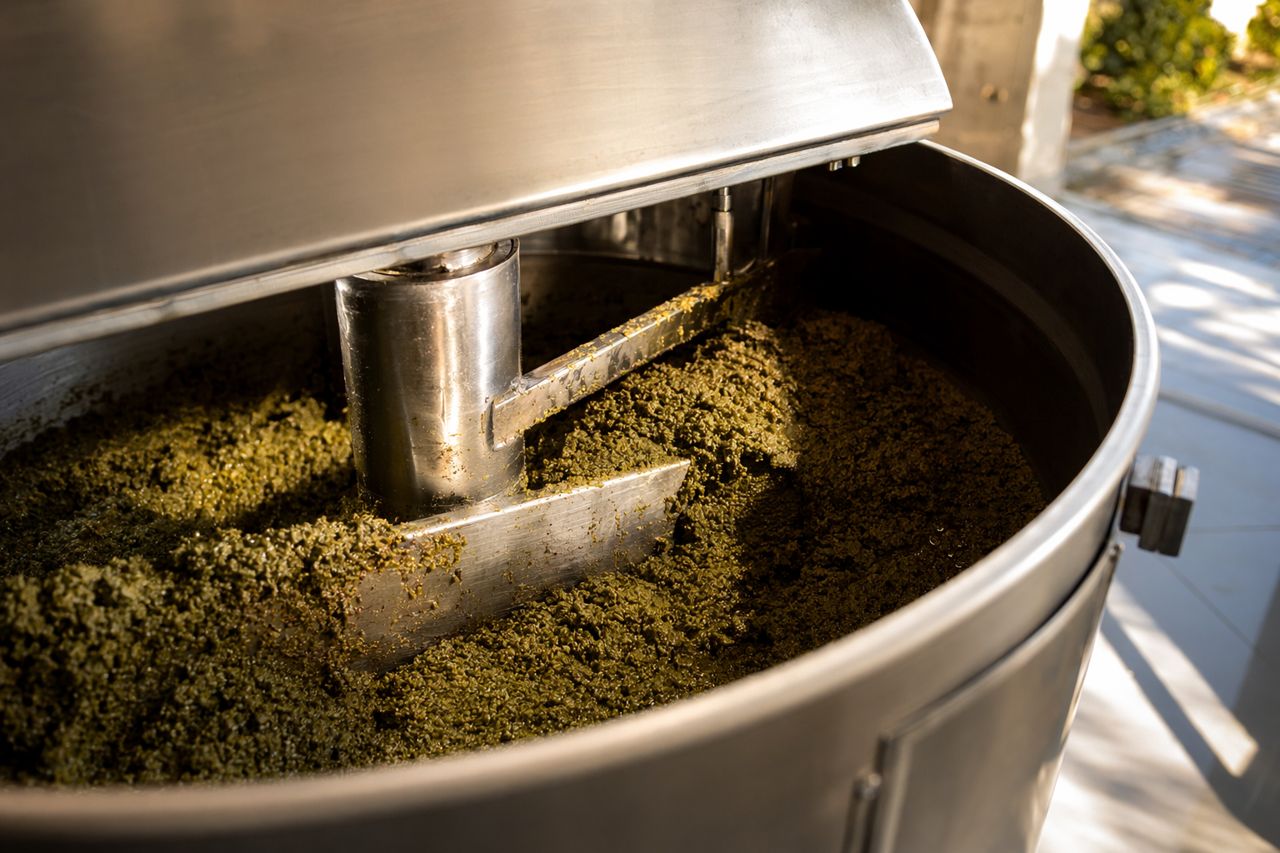
Temperature discipline is not about pushing harder. It is about avoiding process drift.
If paste temperature climbs beyond the mill’s target window, oil quality risk increases and the paste may behave differently across batches. If paste temperature sits too low for the fruit condition, release may be slow and throughput can suffer.
A practical temperature routine includes:
Olivanta enzyme solutions are selected to support extraction consistency inside real operating windows, helping mills avoid unnecessary process stress.
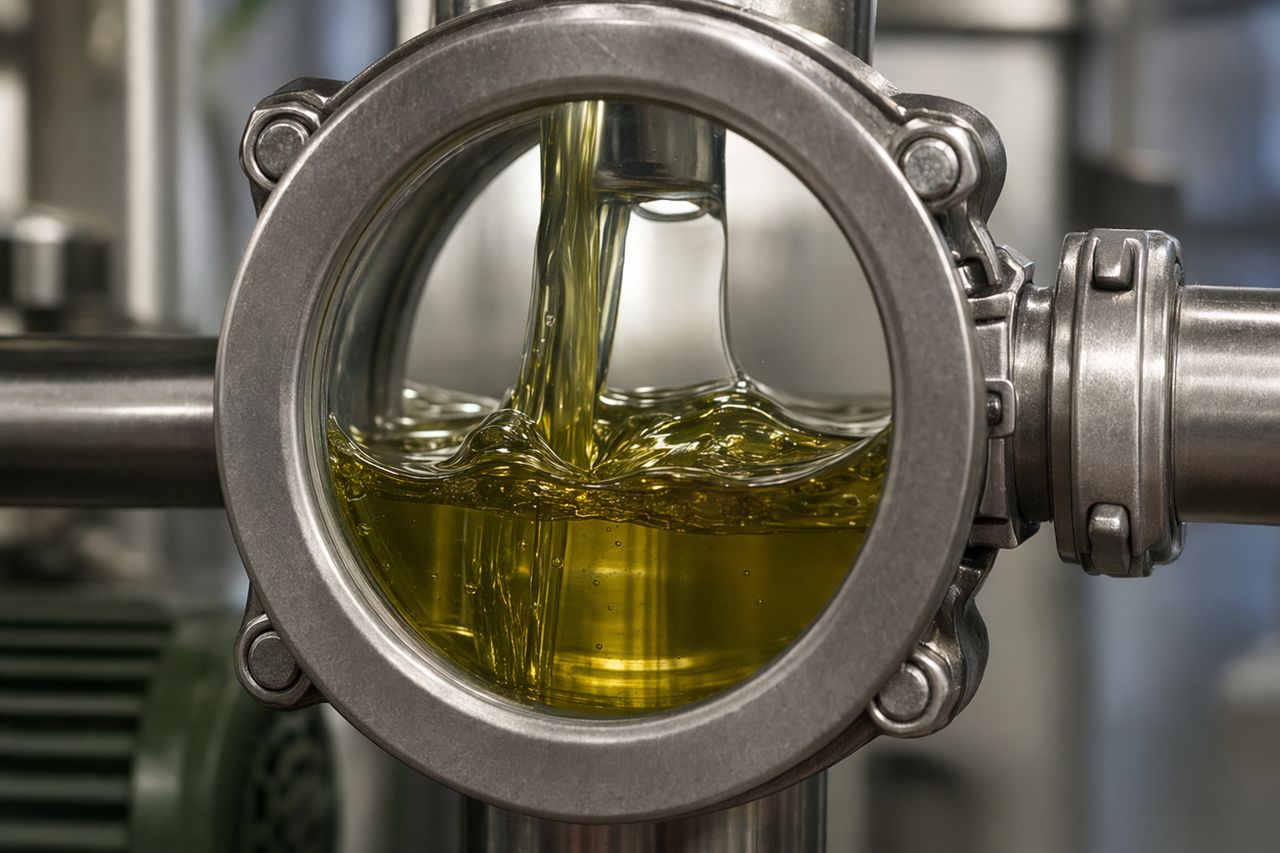
A good malaxer result should make life easier for the decanter and separator. If paste looks improved but separation gets worse, the process has not been solved.
Track the full chain:
The best extraction aid is the one that improves the whole line, not only one visual point in the process.
Enzymes perform best when they are part of the mill’s operating plan. Waiting until paste is already unstable often leads to overcorrection, inconsistent results, and operator frustration.
Build a simple decision matrix by fruit condition:
| Fruit condition | Common paste issue | Practical response |
|---|---|---|
| Early harvest | Firm paste, slower oil release | Support cell wall breakdown and monitor malaxer response |
| Rain-affected olives | Wet paste, separation instability | Protect clarity and avoid unnecessary dilution |
| Drought-stressed fruit | Dense paste, poor movement | Improve paste workability and oil release |
| Mixed varieties | Batch-to-batch variation | Standardize process response by lot type |
| Peak intake days | Limited correction time | Use a repeatable enzyme plan to reduce drift |
Olivanta helps mills define these practical use cases before the harvest rush, so operators know when and why to apply the solution.
Yield matters, but it should not be the only sign of improvement. A stronger extraction process usually shows up in several places at once.
Look for:
When these indicators move together, the mill is not just chasing a number. It is building a more controlled extraction system.
Harvest moves fast. A checklist that lives only in a spreadsheet will not guide the line.
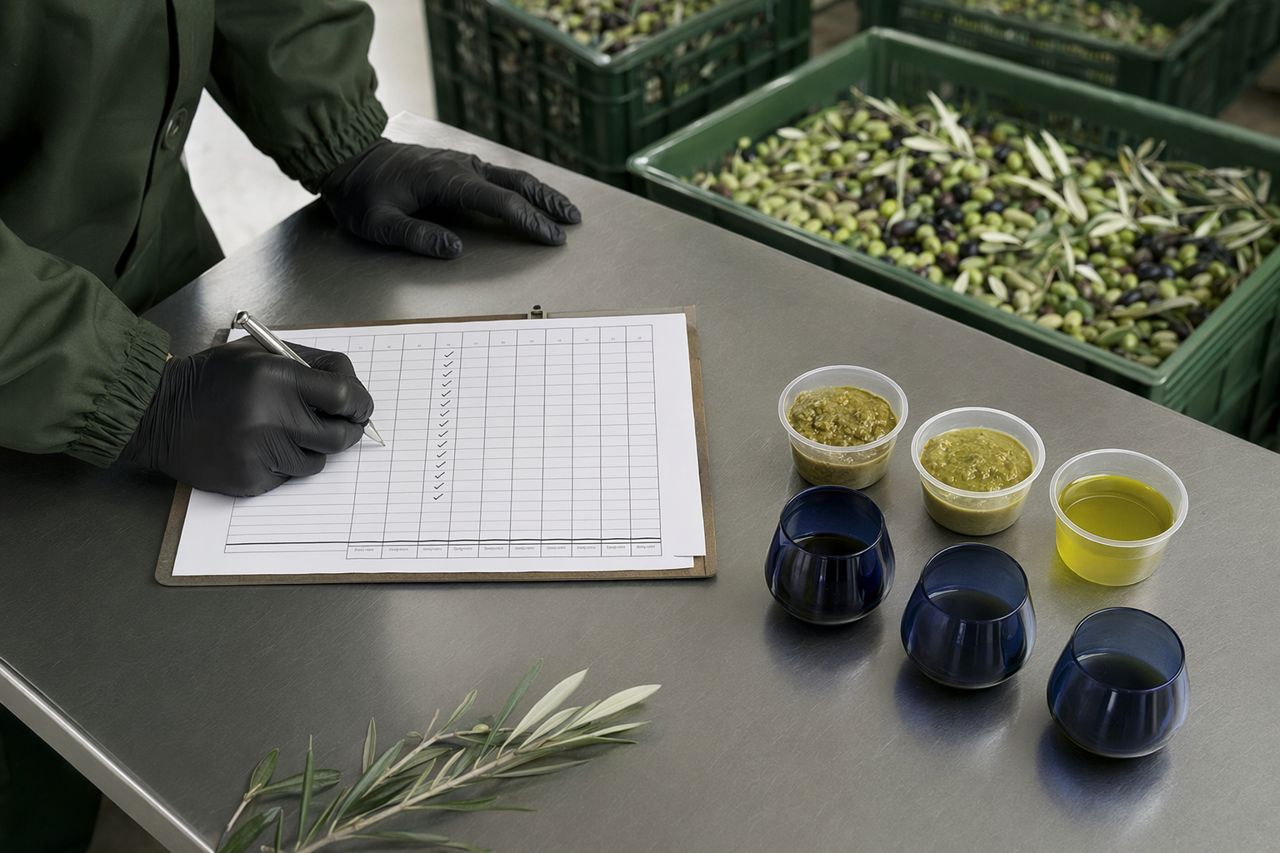
Keep records simple:
This creates a working memory for the mill. By the next similar lot, the team has a starting point instead of guessing.
Act early when operators report:
These are not just nuisance signals. They often point to paste structure, moisture balance, or temperature drift.
Olivanta supplies enzyme solutions for olive oil mills that need consistent extraction performance during variable harvest conditions. Our focus is practical: better paste breakdown, cleaner separation behavior, stronger process repeatability, and fewer surprises during the busiest weeks of the year.
As an enzyme supplier for olive oil extraction, Olivanta supports mill teams with solution selection, implementation guidance, and quote-ready supply planning before harvest demand peaks.
If your mill is preparing for early harvest, high-moisture fruit, drought-stressed olives, or a higher-throughput season, send your process details through the on-site request a quote form.
Tell us your fruit profile, equipment setup, operating challenges, and harvest timing. Olivanta will help match the right enzyme solution to your extraction goals.
Tell us your application and volume — we reply with pricing and lead time.