Phenolics, Bitterness, and Process Decisions in Extra Virgin Olive Oil
Phenolics are part of what makes extra virgin olive oil valuable: structure, pungency, bitterness, oxidative resilience, and a clear varietal signature. But on the mill floor, phenolics are not managed by a single switch. They respond to fruit condition, crushing intensity, paste temperature, malaxation time, water management, separation behavior, and the way the paste releases oil.
For mill managers, the practical question is not simply “how do we get more phenolics?” It is: how do we protect oil quality while keeping paste workable, separation clean, and production reliable during harvest pressure?
Olivanta supports mills that need that balance. As an enzyme supplier for olive oil extraction, we focus on process performance where it matters most: extraction efficiency, paste behavior, separator load, and repeatable operation across changing fruit.
Why phenolics matter commercially
Phenolics influence how an oil feels and sells. They shape bitterness, peppery finish, perceived freshness, and shelf-life confidence. In premium EVOO programs, that sensory profile can support stronger positioning with buyers, private-label customers, and export markets.
But phenolic intensity is not always the same as market readiness. A very bitter oil may be right for certain early-harvest blends, but too aggressive for other channels. A softer profile may fit volume programs, but still needs freshness, clarity, and stability.
The mill’s job is to preserve the best of the fruit while making decisions that keep the line moving.
Bitterness starts before the malaxer
Bitterness is influenced by cultivar, maturity, irrigation history, weather, fruit health, and harvest timing. Early fruit often brings firmer paste, stronger green notes, and more assertive bitterness. Riper fruit can be easier to process but may lose some intensity and freshness.
That means a process decision that works on one delivery may not work on the next. The same crusher setting, malaxation profile, or water adjustment can produce different results depending on fruit condition.
Practical takeaway: phenolic management begins with accepting fruit variability, then adjusting the process to keep extraction controlled.
The paste is where quality and efficiency collide
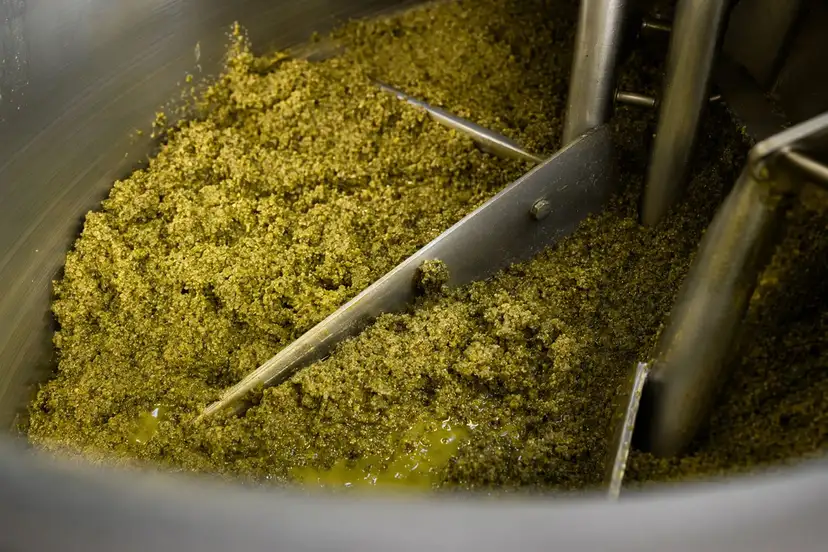
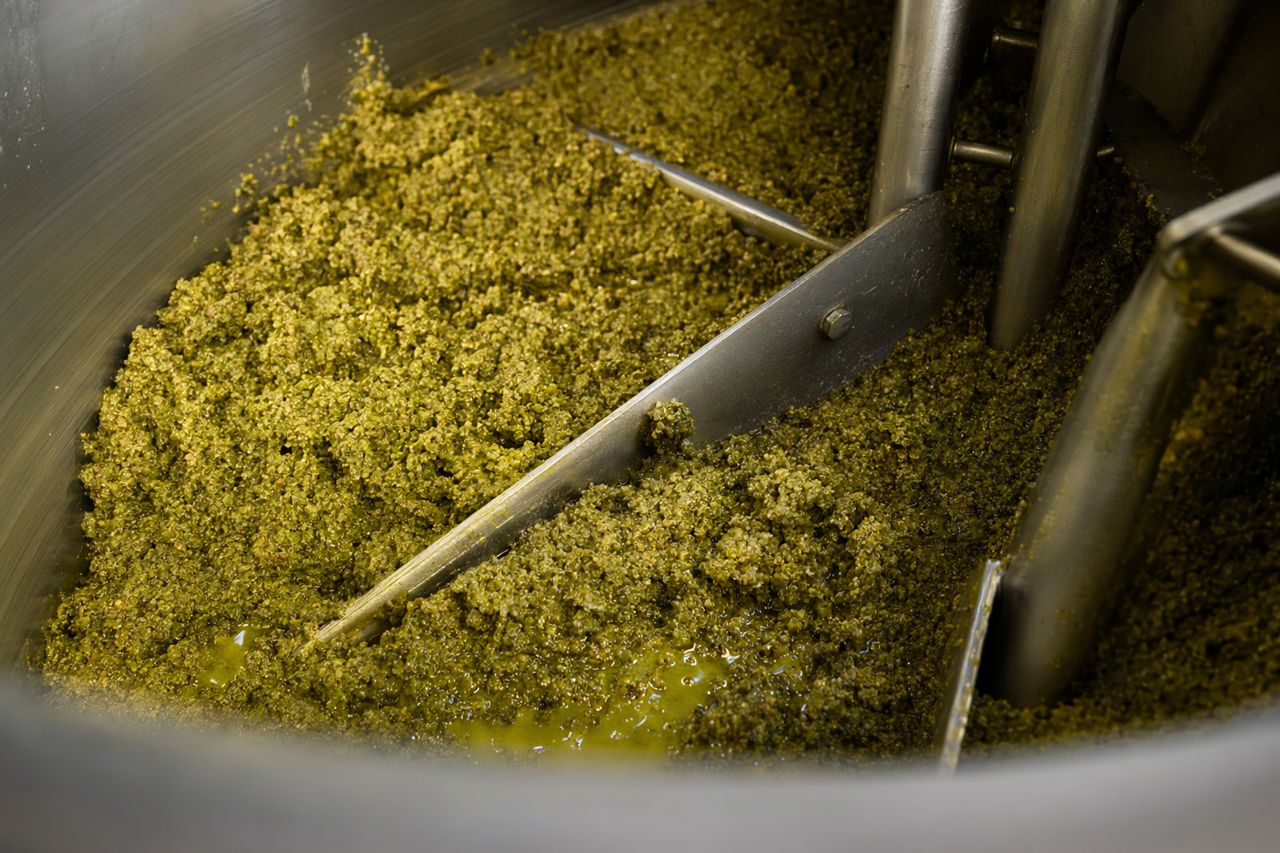
Olive paste behavior drives many downstream outcomes. A paste that releases oil cleanly can improve recovery and reduce stress on separation. A paste that holds oil, emulsifies, or carries too much fine material into the decanter can reduce yield and create operational drag.
For phenolic-rich early-season fruit, paste can be especially challenging:
- Firm cell structure can slow oil release.
- High solids load can make flow less predictable.
- Emulsions can create cloudy oil and heavier separator demand.
- Longer processing adjustments may affect sensory balance.
This is where targeted enzyme use can be valuable. The objective is not to make the oil “less natural” or to mask fruit quality. The objective is to help the paste open more consistently so the mill can extract cleanly, reduce processing strain, and avoid overcorrecting with time, temperature, or water.
Process decisions that influence bitterness and phenolic expression
1. Crushing intensity
A more aggressive crush can increase tissue disruption and release more compounds into the paste system. It can also create finer solids and increase emulsification risk. A gentler crush may reduce harshness but can leave oil locked in the paste.
Operational decision: choose the crusher setup that matches fruit firmness and desired style, then monitor whether the paste remains separable.
2. Malaxation profile
Malaxation helps oil droplets coalesce, but it also shapes aroma and sensory balance. Longer or warmer handling may improve release in difficult fruit, but it can change freshness perception and expose the process to quality risk.
Operational decision: use the shortest practical process window that delivers reliable oil release and stable separation.
3. Water management
Water can help flow, but excessive water may move desirable compounds away from the oil phase and increase waste-stream load. Too little water, depending on paste condition and equipment, can make separation unstable.
Operational decision: treat water as a precision adjustment, not a routine fix for difficult paste.
4. Enzyme-assisted paste conditioning
Well-selected enzyme solutions can support cell wall breakdown and improve oil release without forcing the mill into harsher mechanical or thermal choices. For mills processing variable fruit across compressed harvest windows, this can help maintain consistent decanter performance and cleaner separation.
Operational decision: evaluate enzyme support by practical outcomes: easier paste handling, steadier flow, improved oil recovery, cleaner phase separation, and fewer corrective adjustments.
Phenolics and enzymes: what mill teams should understand
Enzymes do not replace good fruit, good timing, or good equipment settings. They are a process tool. Their role is to improve how the paste behaves so the oil can separate more efficiently.
In many mills, the biggest value is control. When paste releases oil more predictably, operators may be able to avoid excessive malaxation changes, unnecessary water additions, or repeated separator adjustments. That control can help preserve the intended EVOO profile while improving production reliability.
The right enzyme approach should be matched to:
- Olive variety and maturity stage
- Early-, mid-, or late-harvest paste behavior
- Two-phase or three-phase extraction setup
- Desired oil style and bitterness level
- Decanter and separator performance targets
- Throughput pressure during peak harvest
A practical mill-floor framework
When bitterness, phenolic intensity, and extraction performance need to be balanced, use a simple decision framework.
If the oil style is too aggressive
Review crusher intensity, malaxation exposure, and blending strategy before making broad process changes. Do not solve bitterness by sacrificing extraction consistency. A controlled enzyme program may allow the mill to maintain release efficiency while using more measured process settings.
If the paste is difficult but the fruit quality is strong
Avoid chasing recovery with excessive process time or water. First identify whether the paste is holding oil, emulsifying, or overloading separation. Enzyme-assisted conditioning can help unlock oil while keeping the extraction profile more controlled.
If separation is unstable
Look at paste particle behavior, flow consistency, and oil-water-solids split. Cleaner release and more stable paste handling can reduce downstream correction and improve production rhythm.
If buyer specifications require consistency
Premium EVOO buyers expect repeatability. Enzyme support can help mills manage variability between deliveries, especially when fruit maturity and temperature shift quickly during harvest.
What Olivanta brings to olive oil mills
Olivanta is built for olive oil extraction, not generic processing language. We understand that mill managers need clear outcomes:
- More consistent oil release from challenging paste
- Cleaner separation and reduced operational friction
- Better control during early-harvest and high-phenolic runs
- Reduced dependence on aggressive time, temperature, or water adjustments
- Harvest-season reliability when every hour matters
Our recommendations are application-focused. We help mills connect fruit condition, process goals, and enzyme selection so the line runs with less guesswork.
The bottom line
Phenolics and bitterness are quality signals, but they must be managed inside a real production environment. The best mills protect sensory character while keeping paste behavior, oil recovery, and separation clarity under control.
If your mill is working through difficult paste, inconsistent separation, or changing fruit quality, Olivanta can help you evaluate an enzyme strategy matched to your extraction goals.
Ready to discuss your harvest conditions? Request a quote through the on-site form and tell us about your fruit, equipment, and target oil style.