Where Olive Oil Yield Is Lost | Olivanta
A practical mill-floor guide to yield loss from receiving hopper to separator, and how Olivanta enzyme solutions support extraction efficiency, paste handling, and cleaner separation.
Request pricing A practical mill-floor guide to yield loss from receiving hopper to separator, and how Olivanta enzyme solutions support extraction efficiency, paste handling, and cleaner separation.
Request pricingOlive oil yield is not lost in one dramatic moment. It is usually lost in small, compounding steps: fruit waiting too long, paste that refuses to release oil, malaxation that lacks consistency, decanter settings chasing unstable paste, and separator discharge that carries value away.
For mill managers, the question is not only how much oil the fruit contains. The practical question is how much recoverable oil can be released, separated, and protected within the harvest schedule you actually run.
That is where the right processing aid matters. As an enzyme supplier for olive oil extraction, Olivanta focuses on paste behavior, oil release, water phase clarity, and day-to-day processing consistency for modern olive oil mills.
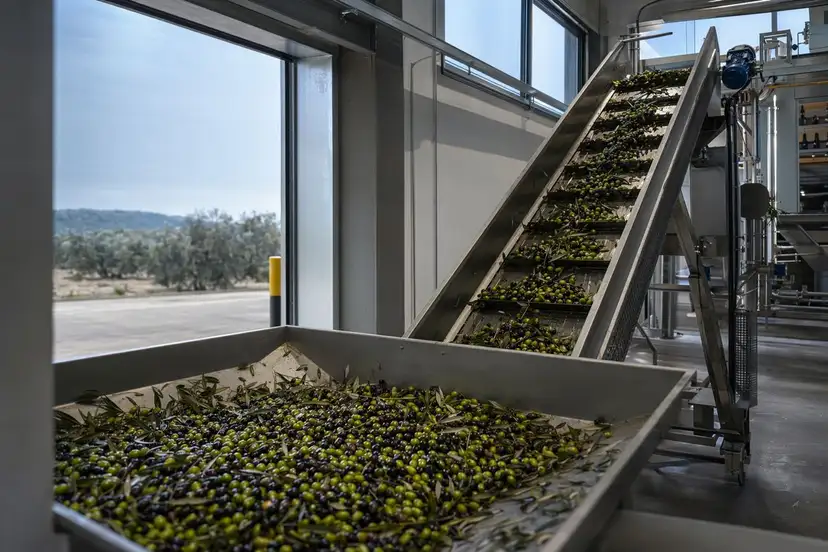
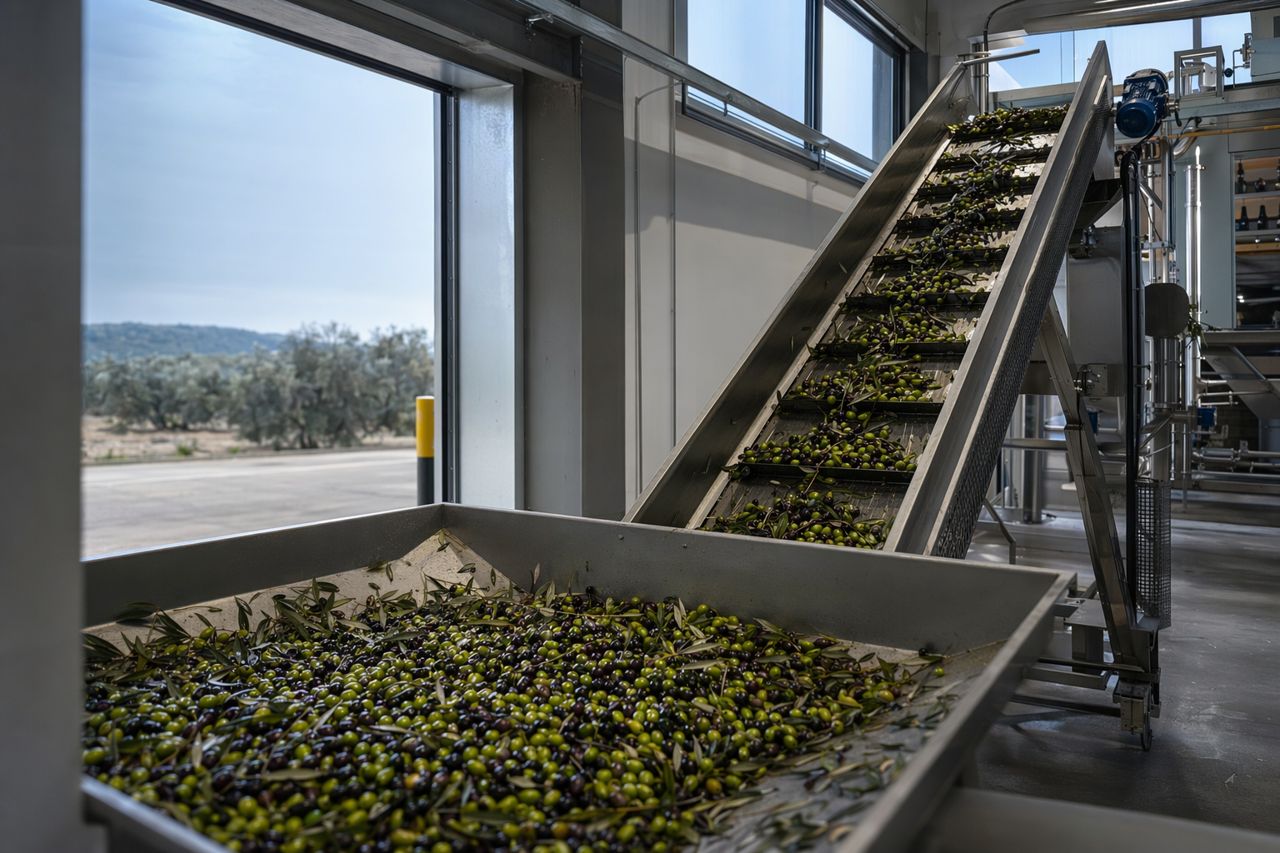
The receiving hopper is not a neutral waiting room. Fruit condition, variety, maturity, temperature, and field debris all influence how the paste behaves later in the line.
Common early-stage risks include:
Enzymes cannot reverse poor raw material. But they can help a mill manage variable fruit more predictably by supporting cell wall breakdown and oil droplet release during paste preparation.
The operational goal is simple: reduce surprises before they reach the decanter.
Crushing opens the olive structure and sets the foundation for extraction. If the crush is too coarse, oil remains trapped in cell material. If it is too aggressive, the paste can become overly emulsified, making separation harder.
Mills often adjust crusher screens, hammer speed, or disc settings to match variety and ripeness. Those adjustments matter. But mechanical force alone does not always solve the problem, especially with firm fruit, early harvest lots, or varieties with stubborn paste.
Enzyme solutions can support this stage by preparing the paste for more efficient release during malaxation. The value is not a laboratory number; it is what the mill sees on the floor:
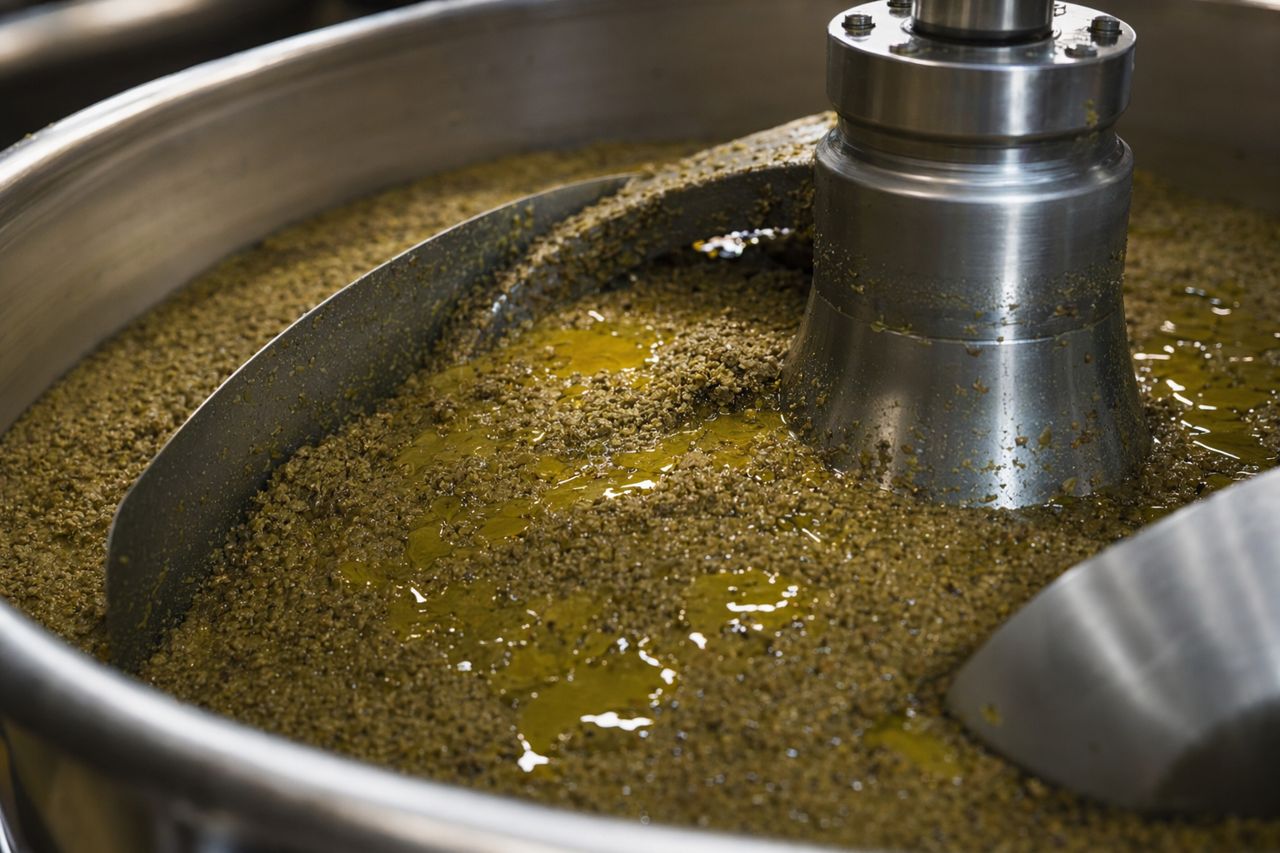
Malaxation is the critical release window. The paste must be mixed long enough for oil droplets to merge, but not so long that the mill loses freshness, throughput, or process control.
Yield loss during malaxation often shows up as:
Olivanta enzyme solutions are designed to work with the mill’s process, not against it. They support the natural breakdown of olive paste structure so oil can move out of plant tissue more readily.
For mill managers, the benefit is practical: more predictable paste behavior and a better chance of extracting available oil without pushing the process into excessive time, heat, or mechanical stress.
Difficult paste costs more than yield. It slows decisions. Operators compensate by changing water addition, decanter speed, feed rate, malaxation time, and separator operation. Each adjustment may solve one issue while creating another.
A tough paste can lead to:
In a short harvest season, consistency is capacity. When paste behavior is more stable, the mill can run with more confidence.
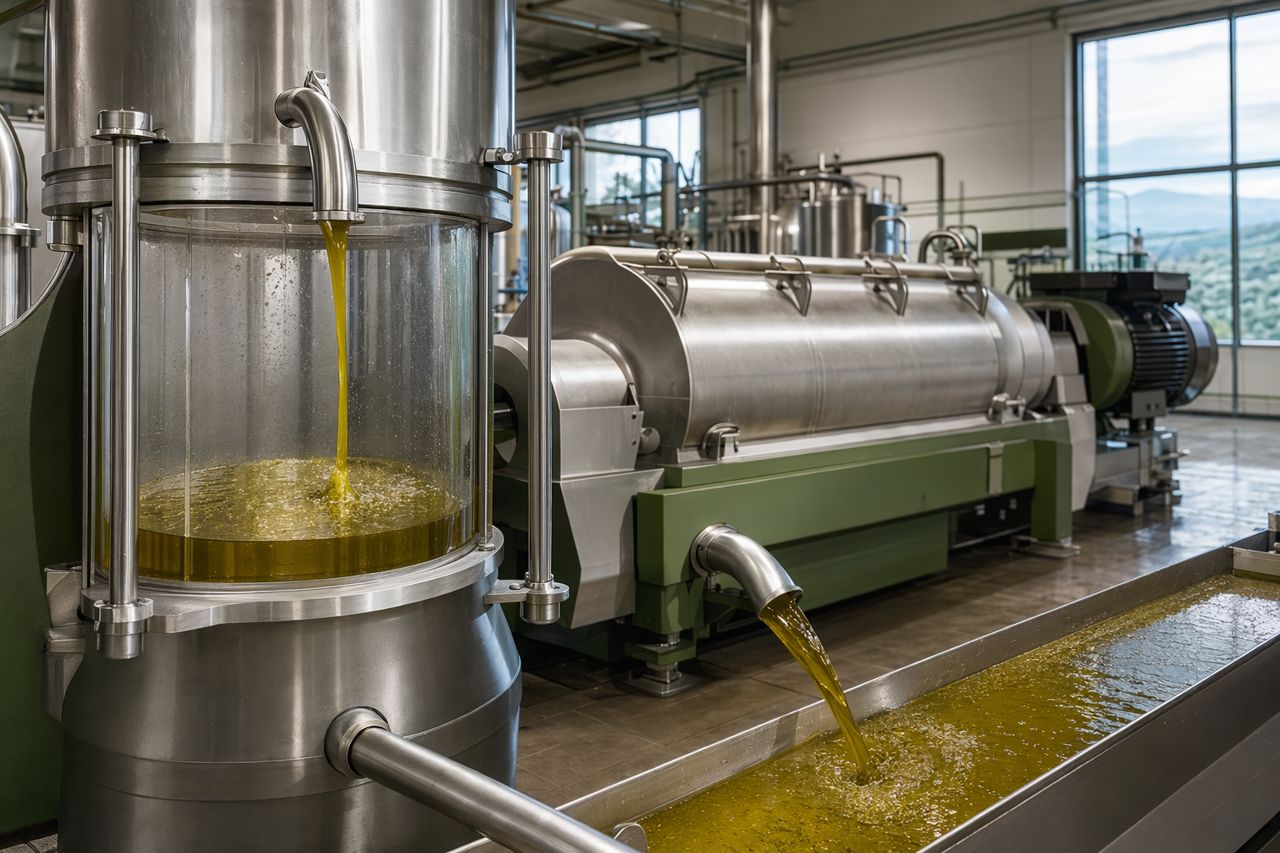
The decanter is where the process becomes visible. If oil release upstream is incomplete, the decanter cannot fully correct it. The machine can separate what is available; it cannot easily recover oil still locked in unbroken plant material or trapped inside persistent emulsions.
Signs of upstream yield loss at the decanter include:
Enzyme-assisted extraction helps by improving the condition of the paste before it reaches this point. Better oil release and reduced structural resistance can support cleaner separation and more consistent decanter performance.
The result is not magic. It is better preparation of the material entering the machine.
After decanting, the separator polishes the process. At this stage, yield loss often appears as oil carried with the water phase, dirty oil requiring extra attention, or unstable separation under changing feed conditions.
The separator performs best when upstream separation is already under control. A more stable decanter output can reduce stress on the separator and help operators maintain cleaner phase separation.
For mills processing high volumes during harvest, even small improvements in separation clarity and process steadiness can matter. They reduce rework, reduce uncertainty, and help protect the value of each lot.
Olivanta enzyme solutions are used as processing aids for olive oil extraction. They are typically selected to support the breakdown of pectins, hemicellulose, and other structural components that hold oil inside olive paste.
Their role is to help the mill improve:
The best fit depends on fruit condition, mill configuration, extraction system, process temperature, malaxation strategy, and the quality targets for the oil. That is why Olivanta approaches supply as a technical conversation, not a one-size-fits-all order.
A practical enzyme trial should be measured by mill-floor outcomes. Useful observations include:
The strongest programs compare similar fruit lots under controlled operating conditions. The objective is to understand where the mill is currently losing recoverable oil and whether enzyme support improves extraction without compromising process discipline.
Olive mills do not have unlimited time to troubleshoot. Fruit arrives, equipment runs hard, and decisions must be made quickly. A supplier has to understand that reality.
Olivanta supports mills with enzyme solutions built around harvest-season pressures: variable fruit, tight production windows, operator workload, and the need for repeatable separation performance.
We focus on the practical questions:
If your mill is seeing yield left in pomace, unstable separation, or inconsistent paste behavior across the harvest, Olivanta can help evaluate the right enzyme approach for your process.
Request a quote through the on-site form and share your mill configuration, fruit profile, and extraction goals. We will respond with a practical recommendation built for olive oil production.
Tell us your application and volume — we reply with pricing and lead time.