Olive Mill Low Yield & Wet Pomace Troubleshooting | Olivanta
Olivanta helps olive oil mills address low yield, wet pomace, difficult paste, and poor separation with practical enzyme support for harvest-season reliability.
Request pricing Olivanta helps olive oil mills address low yield, wet pomace, difficult paste, and poor separation with practical enzyme support for harvest-season reliability.
Request pricingWhen fruit quality shifts, the mill feels it immediately: paste turns tight or watery, oil stays locked in the solids, decanters run less cleanly, and pomace leaves the line wetter than expected. During harvest, those issues cost throughput, oil recovery, labor attention, and confidence in daily production targets.
Olivanta supplies enzyme solutions for olive oil extraction designed for mill-floor realities: variable cultivars, changing maturity, difficult batches, short decision windows, and equipment that must keep running. If you are looking for an enzyme supplier for olive oil extraction with practical technical support, we help you connect paste behavior to extraction performance.
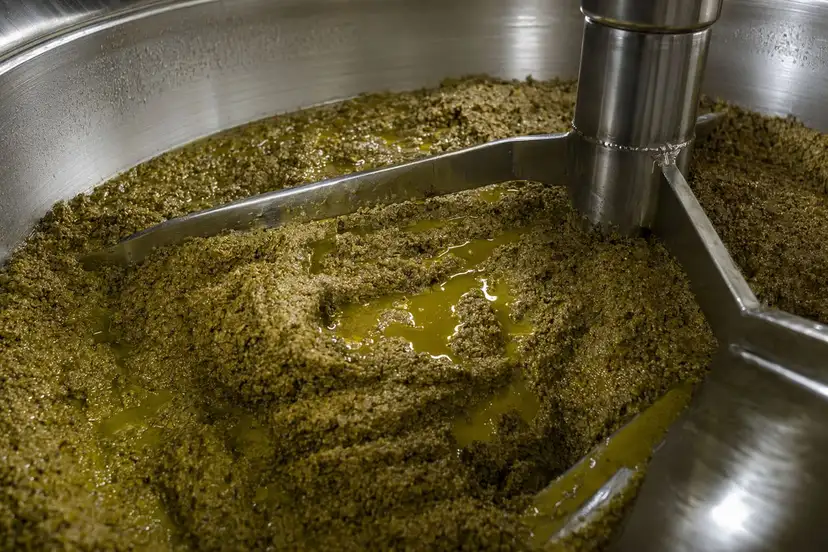
Low yield is not always a fruit problem. In many mills, oil remains physically trapped inside the paste structure, especially when cell wall material, pectin-rich tissues, and fine solids limit oil droplet release and coalescence.
Typical signs include:
Olivanta enzyme solutions support the breakdown of plant tissue barriers so oil can release more efficiently under the mill’s existing process conditions.
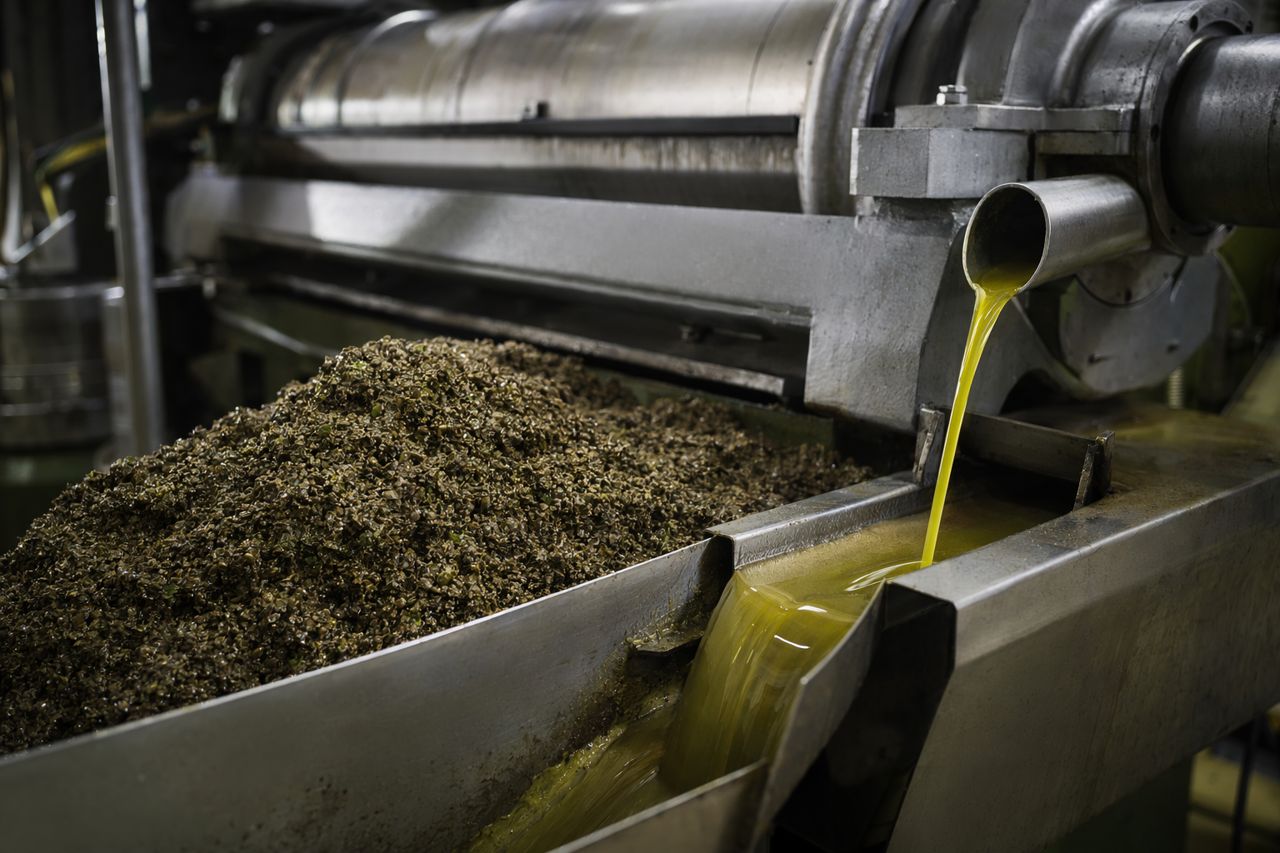
Wet pomace usually points to poor phase separation, excessive bound water, difficult paste rheology, or a mismatch between fruit condition and operating settings. It can reduce revenue from recovered oil and create downstream handling issues.
What mills often notice:
A targeted enzyme approach can help improve paste structure and separation behavior, making it easier for mechanical equipment to do its job.
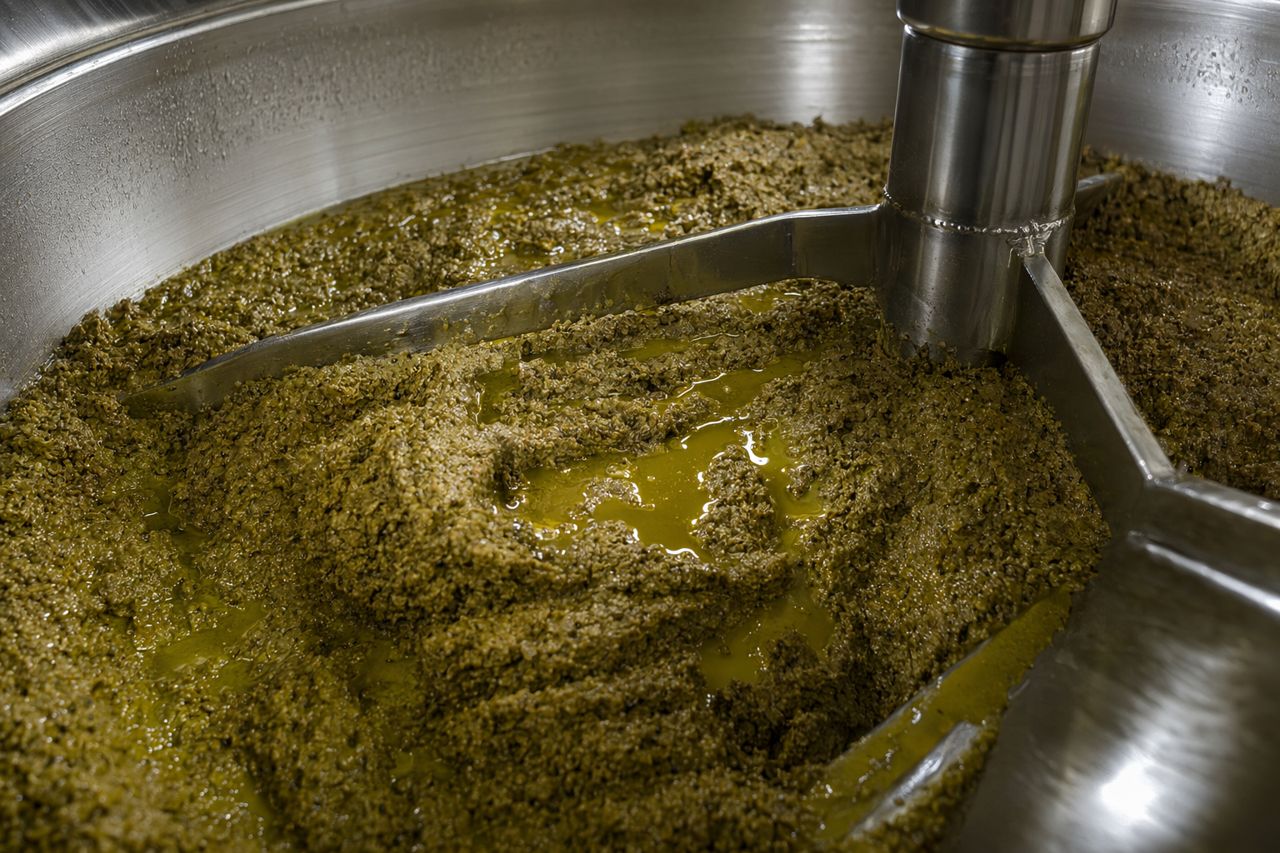
Some olive pastes are naturally more stubborn. Early-harvest fruit, drought-stressed olives, frost-affected fruit, certain cultivars, or high-pectin batches can produce paste that is compact, elastic, sticky, or resistant to oil release.
Operational indicators include:
Olivanta helps mills manage these difficult batches with enzyme systems selected for paste modification, oil release, and separation consistency.
Olive paste is a complex mixture of oil, water, skins, pulp, pit fragments, and natural cell wall materials. When the paste matrix remains too intact or too viscous, oil droplets are harder to release and harder to separate.
Olivanta enzyme solutions are used to support:
The goal is not to overcomplicate your process. The goal is to give the paste a better structure before it reaches the separation stage.
Olive mills do not have months to troubleshoot during the campaign. A solution must be clear, compatible with the line, and easy for operators to apply.
Olivanta focuses on practical implementation:
We work with mills that need a supplier who understands both yield pressure and the need to protect process discipline.
Incoming fruit sets the challenge. Maturity, cultivar, moisture, temperature, storage time, and mechanical damage all influence paste behavior. Olivanta helps mills identify when enzyme support is likely to be useful and how to prioritize difficult lots.
Once fruit is crushed, the physical matrix determines how easily oil can move. Enzyme selection can support the release of oil from plant tissues while helping the paste become more workable.
This is where enzyme impact is most visible to operators. Paste relaxation, droplet formation, and flow behavior can change the way a batch responds before it reaches the decanter.
A better-prepared paste can support more stable separation, clearer phase behavior, and less oil left behind in wet pomace.
Cleaner upstream separation can reduce avoidable load on downstream separators and help the mill maintain a more consistent production rhythm.
Olivanta is a fit when your mill is dealing with:
We also support mills preparing for a new season and processors comparing enzyme options for reliability, handling, and supplier responsiveness.
Low yield, wet pomace, and difficult paste are connected. Treating them as separate problems can lead to scattered adjustments and inconsistent results. Olivanta helps you look at the full extraction path: fruit condition, paste structure, malaxation response, and separation performance.
That is how enzyme support becomes a process tool, not just an additive.
If your mill is seeing extraction losses or separation problems, tell us what you are processing, what the paste is doing, and where the line is underperforming. We will help you identify a suitable enzyme approach and provide quote-based supply options for your operation.
Use the on-site request form to share your mill type, harvest timing, target problem, and expected purchasing volume. Olivanta will respond with a practical recommendation and commercial quote for your olive oil extraction process.
Tell us your application and volume — we reply with pricing and lead time.